VDAVerified Digital Assets
We track cattle from the farm to the meat counter.
VDA runs a digital platform for the cattle and beef trade. Ranches, feedlots, abattoirs and processors use it to record their animals and to buy and sell them. It is in use in Kenya today.
The film
See VDA at work
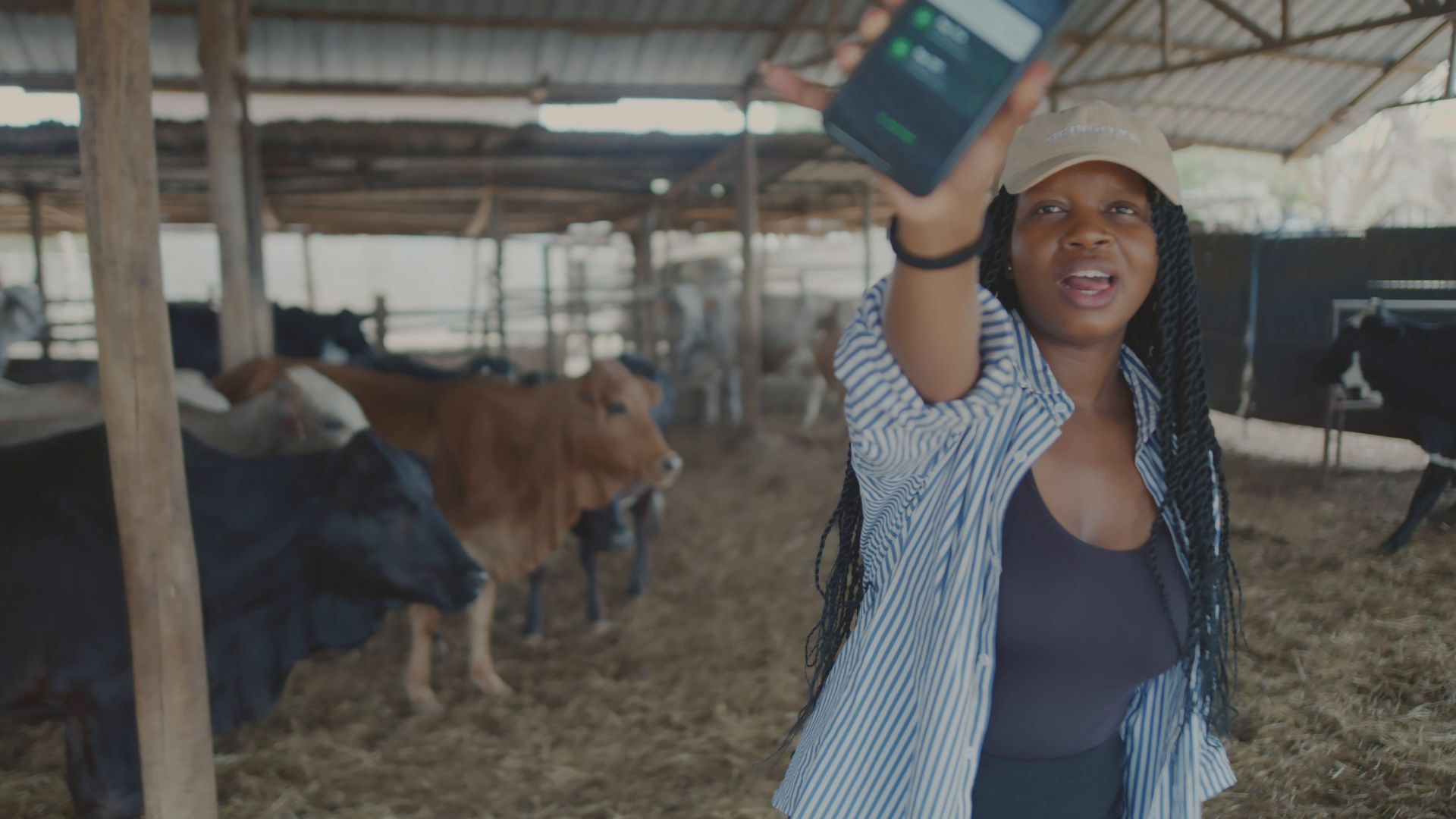
A short film about VDA on the ground in Kenya, with the ranches, feedlots and herders who use it.
Plays from YouTube. Nothing loads from YouTube until you press play.
About us
VDA (Verified Digital Assets) is based in Nairobi. We build software that records cattle and beef as they move through the supply chain. The same software handles payment when they are sold.
Our users are the businesses and groups across the chain that raise, fatten, slaughter and process cattle. These include ranches, feedlots, abattoirs, processors, cooperatives and programmes that work with pastoralists. Their staff record each animal in the field.
Our customers are buyers across the chain, whether they buy live weight, carcasses or cuts. They can check an animal's record before they buy it. Lenders and insurers can check the same record before they lend against cattle or insure them.
Our team includes people who have run ranches, feedlots and meat businesses in the region. It also includes engineers who have built technology used around the world.
What we do
Each animal gets a digital record when it is first registered. The record stays with the animal as it passes from herder to ranch, feedlot, abattoir, processor and buyer. Each business confirms who, how and when an animal, carcass or cut is transferred.
- Pastoralist
- Ranch
- Feedlot
- Abattoir
- Processor
- Buyer
The record shows the animal's identity, owner, location, weight, treatments, grazing, grade, handovers and sale.
How data is recorded
Each business manages its herd on the VDA platform. Its staff register every animal on a phone, with a photo and a GPS location. They then log weights, treatments, feed, grazing moves, handovers and sales.
Who uses the record
Buyers can see where an animal came from, how it was raised and how it was graded. Lenders and insurers can see who owns it, where it is and its health history. Every entry is stored on a ledger that cannot be altered afterwards. Each pack of beef carries a QR code that links back to the animal's record.
What it costs
Keeping herd records on VDA is free. When an animal, carcass or cut is sold through our platform, the buyer pays a fee of 1.5% of the sale price. There is no subscription and no licence fee.
Our platform
Managers, owners and farm office staff use the VDA platform to manage the herd and trace animals. Field staff get their tasks pushed through to a phone app, where they register animals, grade carcasses at the abattoir and record handovers between businesses. The app works without a signal and uploads its data once it reconnects.


- Registration and identity
- Weight, treatment and grazing records
- Transport and handovers
- Pre-slaughter inspection
- Carcass grading
- QR labels for beef packs
- Buying, selling and payment
- Finance and reporting
VDA provides the software only. Animal locations come from GPS on staff phones. The platform can also set a boundary around each farm and grazing area. Ear tags and other devices from outside suppliers can send data to the platform.
Who we work with
-
Ranches, feedlots and abattoirs
Operators can buy, feed and sell animals based on recorded weights, treatments and grades. Butchers, supermarkets and lodges get graded beef with a QR code that shows its history.
-
Local, regional and export buyers
Buyers in Kenya, across the region and overseas can check an animal's history before they buy, whether they buy live weight, carcasses or cuts. Importers in Europe and the Gulf require traceability and health records, and VDA produces the paperwork for each shipment.
-
Lenders and insurers
A lender can see who owns an animal, where it is and how a loan will be repaid when it is sold. An insurer can see the animal's identity, its veterinary history and proof of death if the animal dies.
-
Cooperatives and programmes
Cooperatives, group ranches, conservancies and donor programmes use the platform to register the herds of the pastoralists they work with. The records show what each herder supplied and what they were paid.
Using cattle as security for a loan
A lender needs four things before it will lend against an animal. The platform records each of them.
Proof the animal exists and who owns it
Each animal has a unique ID, a photo taken at registration and a named owner. Every change of hands is confirmed.
Proof of where it is
Staff phones record GPS locations. The platform sends an alert if an animal leaves its grazing area or changes hands.
Its value over time
Weights, treatments, feed, health events and grade are recorded for each animal. A lender can use these to decide how much to lend against it.
Repayment when it is sold
Buyers pay for animals through the platform. The loan is repaid from the sale money before the rest goes to the borrower.
Our work in Kenya
The platform is in daily use on Kenyan ranches. Cattle registered on the platform have also been sold and paid for through it.
5
ranches on the platform
~1,000
head registered
Trading
Cattle have been bought, sold and paid for through the platform, from the farm to the shop.
Traceability
Each animal and carcass is tracked through every change of hands.
Tools for each business
Ranches, feedlots, abattoirs, processors and buyers each have their own tools on the platform.
Grading and QR labels
Carcasses are graded on the platform. Each pack of beef carries a QR label linked to its record.

Contact us
We are happy to show the platform to ranches, feedlots, abattoirs, buyers, lenders, insurers and programme partners. Send us a message or email us to arrange a live demonstration.
info@vda.globalNairobi, Kenya